


Сърцевината на всеки бизнес на дребно е неговата рентабилност. Съществена част от нея е ефективната система за управление на инвентара в магазините и онлайн продажбите - обикновено наричана SKU. Повечето организации мислят за SKU просто като за запис на продадените продукти, но всъщност добрата разбивка на SKU служи като вътрешен архитект на данните. Когато са проектирани правилно, данните за управление на инвентара се движат безпроблемно между покупките, съхранението, продажбите и управлението на информацията за продуктите. Когато е проектирана лошо, тя е котва на вътрешно триене, която намалява маржовете, като същевременно централизира и запазва лоши данни.
За да може бизнесът на дребно да постигне максимална мащабируемост, той трябва да промени своята мантра, за да мисли за всички запаси не само като за физически елементи, лежащи в склад, а по-скоро като за слоеве структурирани данни. Възприемането на най-добрите практики за SKU позволява на тези данни да осигуряват стойност на изхода в модерна бизнес рамка. Това ръководство предоставя добре подредена пътна карта за изграждане на мащабируеми и еластични системи за инвентаризация, които да бъдат основни възможности на съвременните технологии за търговия на дребно - интегриран IOT и автоматизирано управление на цените.
Какво е SKU и защо е важно
Единицата за поддържане на запасите (SKU) е вътрешен уникален SKU, изразен като буквено-цифров код за проследяване на определени инвентарни единици. SKU неутрализират универсалните продуктови кодове (UPC), които са външни и стандартни за всички отрасли. В търговията на дребно кодът или номерът на SKU играе ролята на универсален език, който се превежда в цялата екосистема от ERP и през POS терминали, така че всяка система за управление на SKU може да определи кой конкретен артикул е, в кой контейнер се намира или къде в системата се съхранява и как се пренася в системата.
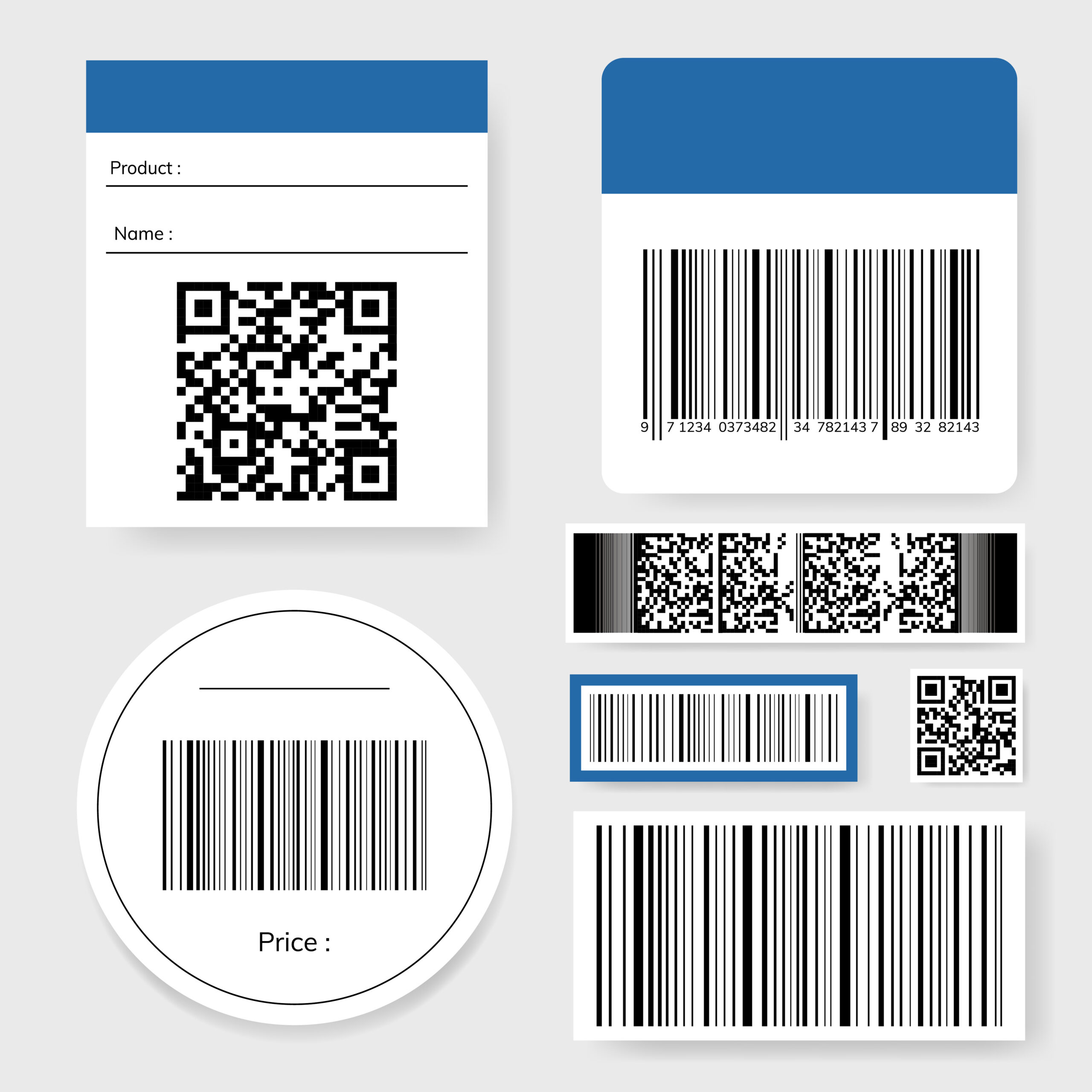
Значението на системата SKU надхвърля простото идентифициране. Тя е в основата на ефективното управление на запасите. Добре разработената система за SKU осигурява незабавна видимост на нивата на запасите, като предотвратява както презапасяването, така и изчерпването им. Тя позволява на търговците на дребно да анализират моделите на продажби с детайлна точност в различните канали за продажба. За тези, които се стремят да изградят стабилна система за инвентаризация, е от съществено значение да разберат основните разлики между основните идентификатори и цялостните системи за управление. За по-задълбочено проучване на тези основополагащи концепции се обърнете към изчерпателни ръководства за Управление на SKU.
Основни елементи на ефективната структура на SKU
Проектирането и изграждането на последователен формат на SKU е компромис между дизайн, който може лесно да бъде разчетен от хората, и такъв, който може лесно да бъде включен в система за управление на склада. Добрият дизайн в добре работещите структури не е нито случаен, нито произволен; той следва стандартен формат, който е планиран, а планът е с йерархия, която позволява на системата да съдържа цялата информация, знаци и съобщения, които са необходими за оперативната ефективност.
Основни компоненти на кодирането и логика
Професионалният формат на SKU използва каскадна логика "отгоре надолу". Това означава, че създаването на SKU трябва да се извършва от по-широка категория към по-тесен тип артикул. Тази логика помага да се гарантира, че подобни артикули се групират логично. В базата данни свързаните записи се съхраняват заедно чрез комбинация от букви и цифри. Тази таблица показва идеалния формат на добър SKU:
| SKU Сегмент | Цел | Пример за приложение |
| Марка / производител | Идентифицира източника или доставчика на продукта. | NK (Nike), AD (Adidas) |
| Категория продукти | Стеснява елемента до изчистване на категориите. | FW (обувки), AP (облекло) |
| Подкатегория / серия | Осигурява усъвършенстване на конкретна продуктова линия. | RN (бягане), BS (баскетбол) |
| Уникални атрибути | Отчита разликите в размера, цвета или материала. | BL10 (син, размер 10) |
С помощта на тази каскадна логика SKU, например NK-FW-RN-BL10, незабавно информира управителя на склада, че артикулът е Nike Running Shoe, Blue, Size 10. Тази структура е интуитивна за персонала и осигурява логическа рамка за системните заявки.
Стандарти за формат и визуална яснота
Техническите стандарти са най-често срещаната област, в която системите за инвентаризация се провалят. Най-добрите практики за висококачествени SKU налагат да се избягват определени специални символи и формати, за да се запази целостта на системата:
- Специални символи и интервали: Използването на символи като %, * или @ в SKU може да доведе до повреда на данните при импортиране или експортиране между софтуер за управление на запасите и POS системи, тъй като те могат да служат като тригери на команди в SQL бази данни или разделители в CSV файлове.
- Водещи нули: В редица програми за електронни таблици, като например Microsoft Excel, по подразбиране има колона, форматирана като "Общи". В случаите, когато SKU има водеща нула (например 01234), програмите ще премахнат тази нула, тъй като тя не е необходима. Това ще направи SKU неразпознаваем за нашите системи. За да сте сигурни, всички SKU трябва да имат буква като водеща цифра.
Високоскоростните среди за търговия на дребно, като например центровете за изпълнение на поръчки, работят при изключителни визуални изисквания. За да намалят човешките грешки, търговците на дребно трябва:
- Премахване на двусмислието: В някои шрифтове някои знаци са твърде близки, за да се чувстват комфортно. Избягвайте да използвате главни букви O (които могат да бъдат объркани с нула 0), главни букви I (които могат да бъдат объркани с числото 1 или с малка буква l) и главни букви S (които могат да изглеждат като числото 5).
- Оптимизиране на дължината: Използваемият SKU почти винаги е между 8 и 12 символа. Кодове под 8 знака са твърде неясни по отношение на това, което биха могли да описват, докато кодове, които надвишават 12 знака, са все по-трудни за запомняне или за въвеждане от персонала по време на периоди на броене, като по този начин се увеличава рискът от грешки при натискане на клавиши.
Най-добри практики за създаване и присвояване на SKU
Що се отнася до SKU, тяхното присвояване е процес на управление, който изисква специфичен унифициран процес, който трябва да бъде последователен формат, независимо от лицето, което въвежда информацията.
- Идентифициране на неизменни измерения: Преди да присвоите кодове, разгледайте някои от променливите характеристики на продукта, които вероятно никога няма да се променят. В случай на промишлен хардуер това може да бъде материалът (напр. неръждаема стомана) или функцията (напр. заключващ механизъм). Те ще бъдат в основата на SKU. Променливите данни, като например цената, никога не трябва да се включват в SKU, тъй като те са динамични.
- Поддържане на вариант Последователност: Ако продуктът се предлага в пет различни цвята, всичките пет SKU трябва да следват един и същ ред на важност на атрибутите. Ако един от артикулите има COLOR-SIZE (цвят-размер) като ред на атрибутите, а другият има SIZE-COLOR (размер-цвят), това ще доведе до фрагментация в базата данни на бекенда, като по този начин ще направи невъзможно изготвянето на надеждни обобщени отчети относно междукатегорийното представяне на цветовете.
- Мащаб за размера на бизнеса: В случай на търговци на дребно в един магазин можете да си позволите малко по-лесни и по-описателни SKU (като SHOE-NIKE-10). При многоканалните/верижните търговци на дребно обаче ще е необходимо да разполагате с по-сложни и сегментирани кодове, които могат да обхванат хиляди варианти и които могат да се съчетаят с автоматизираните операции по веригата за доставки.
- Подсигуряване на бъдещето за растеж: Избягване на риска да се "вкарате в ъгъла" чрез използване на идентификатори, които позволяват създаването на нови продукти. Ако дадена категория сега има девет подкатегории, използвайте двуцифрен идентификатор (от 01 до 09) вместо едноцифрен. Ако логическата система трябва да се коригира, за да се приспособи към десета по ред, това означава, че се добавя допълнителна подкатегория, а това е добър проблем.
- Въвеждане на периоди на пенсиониране и охлаждане на SKU: SKU има за цел да представи индивидуалния жизнен цикъл на даден продукт от пускането му на пазара до прекратяването му. След като изведете даден продукт от употреба, не трябва да изтривате SKU; най-добрата практика е да "замразите" изведен от употреба SKU за 2-3 фискални години. Повторното използване на кода твърде рано е практика, която може да доведе до "замърсяване на данните", при което историческите данни за продажбите на стария продукт могат да се слеят с новия за определен период от време. Използване на SKU за най-добра практика. Добре обмислената система за SKU е нещо повече от ефективен начин за използване на картотечната система; тя е инструмент за оперативно съвършенство.

Използване на SKU за постигане на най-добри практики
Добре обмислен система за управление на инвентара е нещо повече от ефективен начин за използване на система за архивиране; това е инструмент за повишаване на точността на складовите наличности и удовлетвореността на клиентите.
Оптимизиране на складовите и инвентарните операции
Когато става въпрос за складови операции, дизайнът на SKU оказва значително влияние върху рентабилността на бизнеса. Мениджърите на складове етикетират и сортират SKU с един буквен инициал в категории и определят складовите зони като "логически зони за комплектуване". Например, ако стоковите SKU на всички продукти, започващи с префикс ELE (Електроника), отиват в един и същи коридор, това е по-ефективно при комплектоването, а разстоянието за ходене за комплектоване на поръчките се оптимизира, за да се комплектоват поръчките за минимално време.
Освен това точните SKU винаги позволяват отчитане на циклите. Вместо да извършват отнемащото време пълно годишно преброяване на стоковите наличности, което спира операциите, търговците на дребно могат да извършват преброяване на стоковите наличности въз основа на категория и други параметри в зонирани подвижни преброявания. Този процес дава възможност за идентифициране и коригиране на призрачни инвентаризации в реално време, което поддържа високо ниво на точност на инвентаризациите за системата на ИМ.
Управление на продажбите и анализ на ефективността
Вземането на решения, основани на данни, зависи и от сегментацията на ниво запаси. Подходящата система за чисти SKU позволява извършването на два важни вида анализ.
- Анализ на ABC: Търговците на дребно могат да стратифицират и сегментират инвентара си в три категории въз основа на стойността и скоростта на оборота.
- Елементи А: Най-добре представящите се 20% артикули, които допринасят за 80% от годишните брутни приходи на пазара. Тази категория е стока от А-листата, която винаги изисква строг контрол на наличностите и редовно попълване на стоп-данните.
- B-предмети: Изпълнението от среден клас като втора категория също е насочено към редовен мониторинг на инвентара.
- Елементи C: "Дългата опашка" от инвентар, която има бавен оборот и изисква скъпо разпределение на пространството на рафтовете. Липсата на уникални артикули за всеки вариант означава, че е невъзможно да се определи дали определен размер или цвят е артикул А или С, което води до лошо разпределение на капитала.
- Мониторинг на продажбата: Благодарение на наличието на SKU мениджърите могат да проследяват и наблюдават степента на реализация на определени варианти за определен период от време. Търговците на дребно могат да забележат предупредителните знаци за стагнация, като наблюдават колко бързо определен SKU преминава от "новопристигнал" към "стабилно състояние". Това дава възможност да се разработят целенасочени ценови стратегии, като например намаления на цените, за конкретни артикули, които не се представят добре, вместо широкомащабни намаления на цените за цялата категория, което обикновено е тактика за намаляване на маржа.
Подобряване на преживяването в магазина и съгласуваност на цените
В днешния многоканален свят SKU запълва пропастта между физическия рафт и дигиталния магазин.
- Насочване на варианти и ESL Свързване: Усъвършенстваната система за картографиране на SKU позволява обединяване на електронните етикети на рафтовете (ESL) и инвентара в магазина. Ако клиентът застане пред свързан с ESL 2,1-инчов дисплей за продукт, който не е наличен в неговия размер, той може бързо да сканира QR код, за да получи достъп до други 2,9-инчови спецификации онлайн.
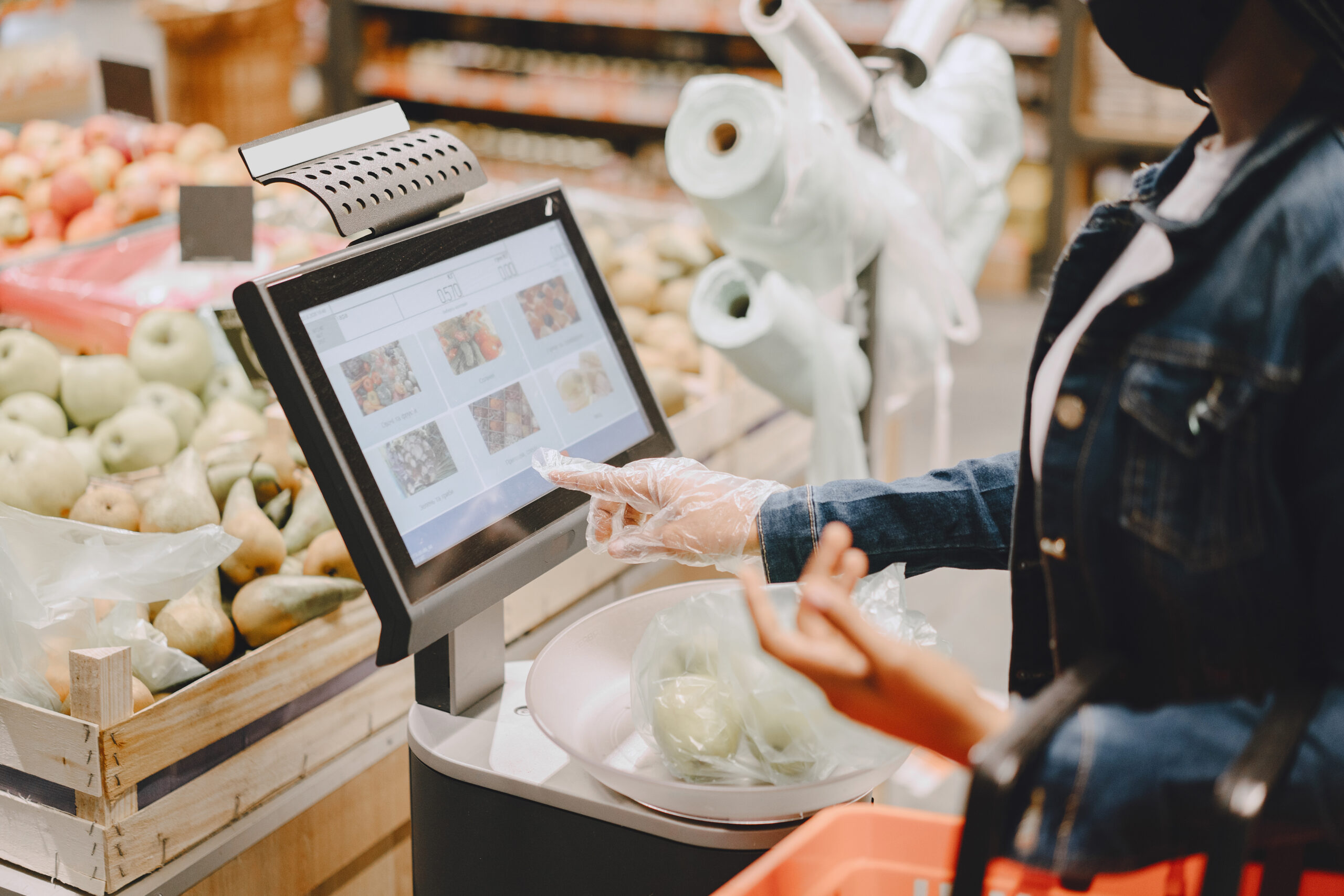
- Ценообразуване в многоканален режим Последователност: Централизираното управление на SKU гарантира, че актуализирането на цените в централата се отразява в световен мащаб. Когато картографирането на SKU е надеждно, електронният етикет на рафта може да реагира за секунди на промяна на цената, като гарантира, че клиентът никога няма да се сблъска с разминаване между цената на рафта и цената на касата.
Zhsunyco® е тук за преодоляване на разликата между данните за SKU отзад и изпълнението на рафта отпред. Като основен хардуерен партньор, специализиран в Системи за електронно етикетиране на рафтове (ESL), Zhsunyco предоставя цялостна хардуерна платформа за IoT, която преодолява разликата между данните от SKU и физическите дисплеи. Техните системи поддържат множество протоколи, включително 2,4 GHz и BLE, като осигуряват стабилно предаване на данни до ръба на рафта. Като комбинира първокласен хардуер с отворена интеграция на MQTT, Zhsunyco помага на търговците на дребно да автоматизират управлението на цените, като същевременно поддържат процент на дефекти под 0,0018%. Този хардуерно ориентиран подход гарантира, че цифровата трансформация остава основана на физическа надеждност и мащабируемо съвършенство на производството.
Подсигурете бъдещето на бизнеса си с мащабируеми SKU системи
Въпреки че стандартизирането на системата SKU е огромна задача, тя си заслужава заради яснотата на работата и възможността за мащабиране. Преминаването от хаотична конвенция за именуване към структурирана рамка трябва да се извърши на етапи. Тъй като знаете как да изграждате ясни SKU, ние разработихме Пътна карта за стандартизация на SKU за да ви помогнем да го приложите по-лесно още днес.
| Стъпка | Ключово действие | Очаквана полза | Често срещани грешки, които трябва да избягвате |
| 1. Одит | Анализирайте настоящите несъответствия в наименованията. | Идентифициране на пропуски в данните. | Игнориране на "призрачните SKU" в системата. |
| 2. Определяне на логиката | Задаване на йерархия Марка-Категория-Вариант. | Логическо сортиране в бази данни. | Прекалено сложна логика за персонала. |
| 3. Почистване на данните | Премахнете специалните символи и началните нули. | Стабилност на системата и безопасност на износа. | Използване на "O" и "0" като взаимозаменяеми. |
| 4. Варианти на картата | Подравняване на всички атрибути в един и същи ред. | Точно отчитане на всички групи. | Непоследователна последователност на атрибутите. |
| 5. Определяне на политиката | Установяване на периоди на охлаждане за излезли от употреба продукти. | Предотвратяване на замърсяването на данните. | Повторно използване на SKU в рамките на една и съща година. |
Объркването на инвентара е основното препятствие пред повечето търговци на дребно, когато се опитват да увеличат мащаба си. С въвеждането на тези най-добри практики бизнесът се подобрява от просто ръчно проследяване до автоматизирана търговия, базирана на данни. Голямото несъответствие в инвентаризацията е лоша причина да откриете слабостите в системата си. Започнете стандартизацията сега, за да сте сигурни, че системата ви има капацитета да поддържа бъдещия растеж на IoT и omnichannel търговията на дребно.

 English
  Russian
  Spanish
  German
  Arabic
  French
  Bulgarian
  Polish
  Romanian
  Turkish
  Portuguese